
That doggy breath your pup greets you with every morning? It doesn't have to be that way. Most dogs show signs of dental trouble by age three — plaque, tartar, and sore gums — but a little home care goes a long way toward keeping those teeth strong and that breath bearable. Here at BigGriz Critter Corner, we hear this question all the time, so here's a simple, vet-friendly routine any pet parent can follow.
Why dental care matters more than you think
It starts with plaque, the sticky film that forms on teeth after eating. Left alone, plaque hardens into tartar within a few days, and tartar is what leads to red, irritated gums and the dreaded doggy breath. Over time, neglected teeth can become loose or painful, and dogs are experts at hiding discomfort — by the time they stop chewing, the problem has usually been building for months. The good news: regular home care dramatically slows this process, and your vet can handle the rest at annual checkups.
Brushing basics: start slow, keep it positive
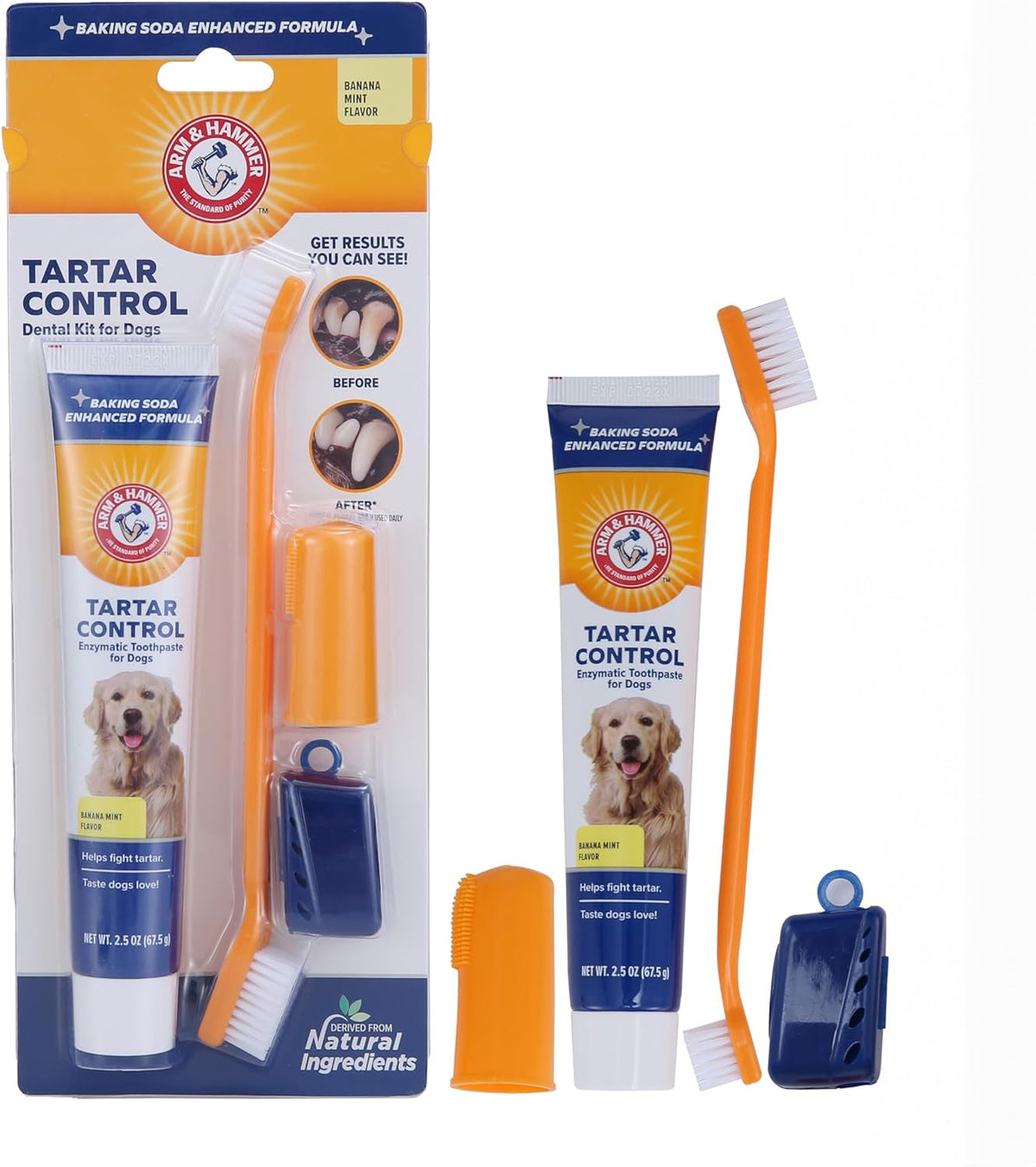
Brushing is the gold standard, and most dogs can learn to tolerate — even enjoy — it. Use a toothbrush made for dogs and a pet-formulated toothpaste (never human toothpaste, which can contain xylitol, a sweetener that is toxic to dogs). Start by letting your pup lick the tasty toothpaste off your finger for a few days, then graduate to rubbing it along the outer surfaces of the upper teeth — that's where most tartar builds up. Aim for a gentle 30-second session and end with praise or a treat. Even brushing two or three times a week makes a real difference, so don't stress about perfection.
Dental chews and toys that do some of the work
On days you skip the brush, dental-support chews and textured chew toys help in a different way: the chewing motion mechanically scrubs tooth surfaces and massages the gums while satisfying your dog's natural urge to gnaw. Look for rawhide-free dental treats and durable rubber or nylon chew toys designed with teeth-cleaning ridges. Think of them as the floss between brushings — helpful, but not a replacement for the toothbrush.
Know when it's time to call the vet
Home care handles the everyday stuff, but some signs mean it's time for a professional look: persistently bad breath, red or bleeding gums, drooling, pawing at the mouth, or dropping food while eating. These are common indicators that tartar or gum irritation has gone beyond what home care can fix — not diagnoses, just your cue to schedule a dental checkup. Most vets recommend a professional cleaning schedule based on your dog's age and breed.
Gear we recommend
Everything below is in stock in our shop right now:
- Arm & Hammer Tartar Control Dental Kit for Dogs — $10.45. A brush-and-toothpaste kit made specifically for dogs, perfect for starting (or restarting) a brushing routine.
- Kabob Dog Treats Duck & Chicken Rawhide-Free & Grain-Free Dental Support — $14.99. A rawhide-free dental-support treat your dog will think is just a tasty reward.
- Extreme Tough Dog Chew Toy for Aggressive Chewers — $26.26. A teeth-cleaning chew toy built to survive serious gnawers while scrubbing as they chomp.
Quick answers
How often should I brush my dog's teeth?
Daily is ideal, but even two to three times a week meaningfully reduces plaque and tartar buildup.
Can I use my own toothpaste on my dog?
No — human toothpaste can contain xylitol, which is toxic to dogs. Always use a toothpaste formulated for pets.
Do dental chews replace brushing?
They're a great supplement, but they don't replace brushing. The combination of the two is what keeps teeth in the best shape between vet visits.
A few minutes of dental care a few times a week now saves your pup a lot of discomfort later — and saves you from the worst of the doggy breath. Start tonight; your dog's smile will thank you.
BigGriz Critter Corner is a veteran-owned pet supply store. Shop the gear your critter will love.

Leave a comment
This site is protected by hCaptcha and the hCaptcha Privacy Policy and Terms of Service apply.